Choosing a pool contractor in Boca Raton is not always as simple as searching “pool company near me” and calling the first result. In South Florida, pools work hard year-round. Heat, humidity, heavy rain, salt air, landscaping debris, high swim use, aging surfaces, and older equipment can all affect how well a pool looks, feels, and performs. For homeowners, that may mean cloudy water, worn finishes, leaking plumbing, broken pumps, or a backyard pool that no longer matches the home. For commercial properties, the stakes can be even higher because consistent water quality, equipment reliability, and safety expectations affect residents, guests, tenants, and daily operations.
The right pool professional should do more than clean the water or quote a renovation. A qualified pool contractor should understand how maintenance, equipment, construction, inspections, and long-term performance connect. For example, a pool renovation may fail early if the underlying leak is ignored. A new pump may not perform correctly if the plumbing, filter, or automation system is not evaluated first. Likewise, weekly pool service should not only leave the water clear; it should help identify developing problems before they become expensive repairs. This guide explains what to look for when choosing a pool contractor in Boca Raton, what questions to ask, and which red flags should make you pause before hiring.
What to Know First About Hiring a Pool Contractor Boca Raton
The best pool contractor Boca Raton property owners can choose is one that matches the actual service needed. A company that is excellent at weekly residential pool service may not be the right fit for a full structural renovation. A pool builder Boca Raton homeowners hire for a custom pool may not be the same provider they need for routine maintenance, leak detection, or equipment repair. Before comparing companies, define whether you need weekly service, equipment installation, pool inspections, pool consulting, renovation, new construction, or a mix of several services.
Final cost, timeline, and project complexity depend on the size of the pool, property access, existing equipment condition, design goals, materials, permitting needs, and whether hidden issues are found during inspection. In practical terms, a simple equipment repair is very different from resurfacing, tile replacement, deck work, plumbing corrections, or building a new custom pool. That is why a reliable pool professional should inspect the situation, explain the scope clearly, and avoid giving vague promises before seeing the pool.
Pool Builder Boca Raton vs. Pool Service Company: Know the Difference
A pool builder Boca Raton residents hire typically focuses on new pool construction, major renovations, structural work, design planning, permitting, and project coordination. This may include excavation, plumbing layouts, shell construction, finish selection, tile, coping, decking, water features, lighting, and equipment systems. If you are planning a new pool or a major backyard transformation, you need a swimming pool contractor with construction expertise, not only a pool technician who handles weekly maintenance.
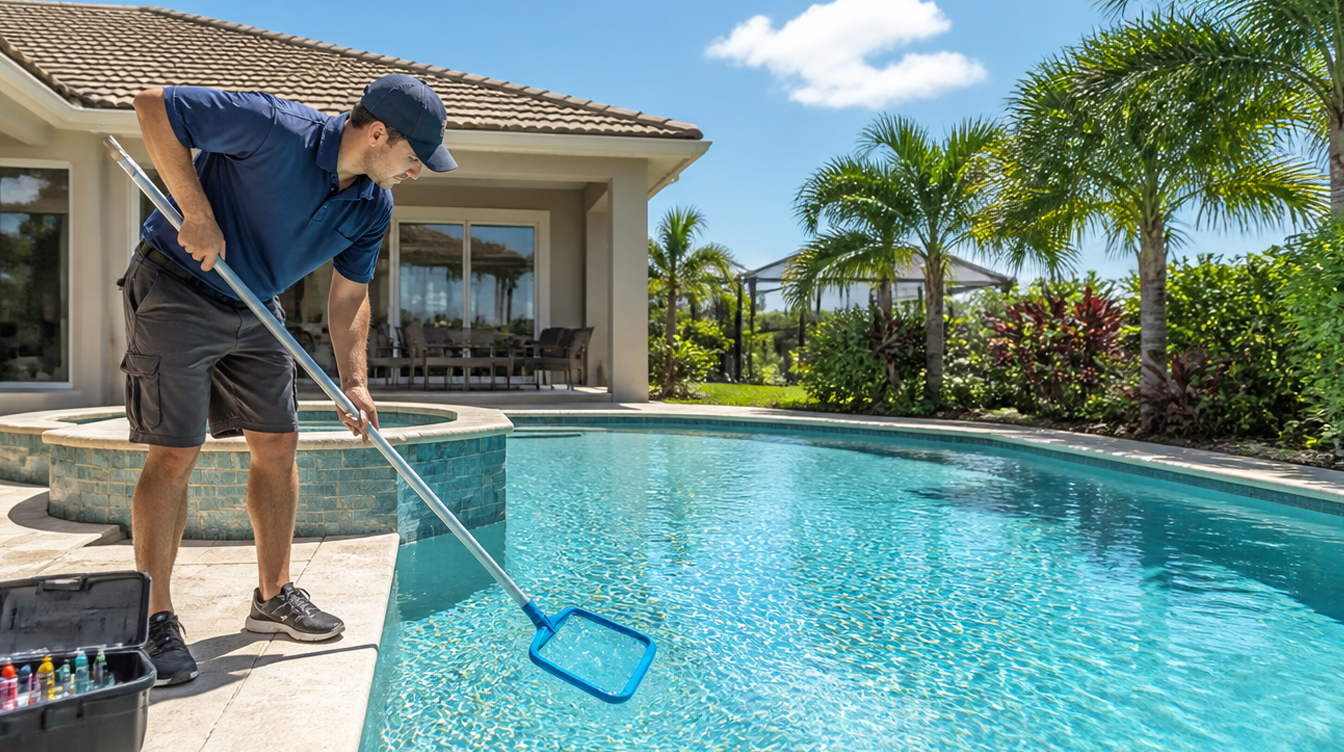
On the other hand, a pool service company usually focuses on ongoing water care, cleaning, chemical balancing, brushing, equipment checks, and smaller maintenance needs. Many Boca Raton homeowners benefit from having consistent residential pool service because regular care helps keep water balanced and equipment running properly. Commercial properties may need more structured commercial pool service because pools at communities, clubs, hotels, and facilities often experience heavier use and stricter operational expectations.
Licensing Requirements for a Swimming Pool Contractor
Licensing is one of the first things to review before hiring a swimming pool contractor for construction, renovation, structural repairs, or major equipment-related work. In Florida, construction-related pool contracting is regulated through the Florida Department of Business and Professional Regulation and the Construction Industry Licensing Board. The DBPR provides resources for checking licensing requirements and license status, and Boca Raton’s Building Department also advises residents to hire licensed contractors for construction work that must comply with state and local codes. You can review contractor information through the Florida DBPR licensing portal and the City of Boca Raton’s guidance on hiring a licensed contractor.
This matters because different pool-related tasks may require different qualifications. Routine residential pool cleaning may not be the same as remodeling, plumbing, electrical equipment installation, or new construction. Before hiring, ask the contractor what license applies to your project and verify it yourself. For permitted work, also confirm who will pull permits, schedule inspections, and handle documentation. A reputable contractor should not be offended by licensing questions; they should expect them.
Insurance Considerations Before Hiring the Best Pool Company Boca Raton
Insurance is another important trust signal when comparing the best pool company Boca Raton options. Pools involve water, electricity, chemicals, heavy equipment, tile, concrete, plumbing, and people working around your property. Even careful professionals can face accidents, and proper insurance helps protect both the property owner and the company. Before work begins, ask for proof of general liability insurance and, when applicable, workers’ compensation coverage.
This is especially important for renovation and construction projects where crews may be cutting surfaces, removing old materials, installing equipment, accessing tight side yards, or working around landscaping, patios, and outdoor living areas. For commercial pool service, insurance documentation may also be required by property managers, associations, or facility operators before a vendor is approved. If a contractor avoids the topic, gives unclear answers, or asks you to “not worry about it,” that is a reason to slow down.
Renovation Experience: Choosing a Pool Remodeling Contractor
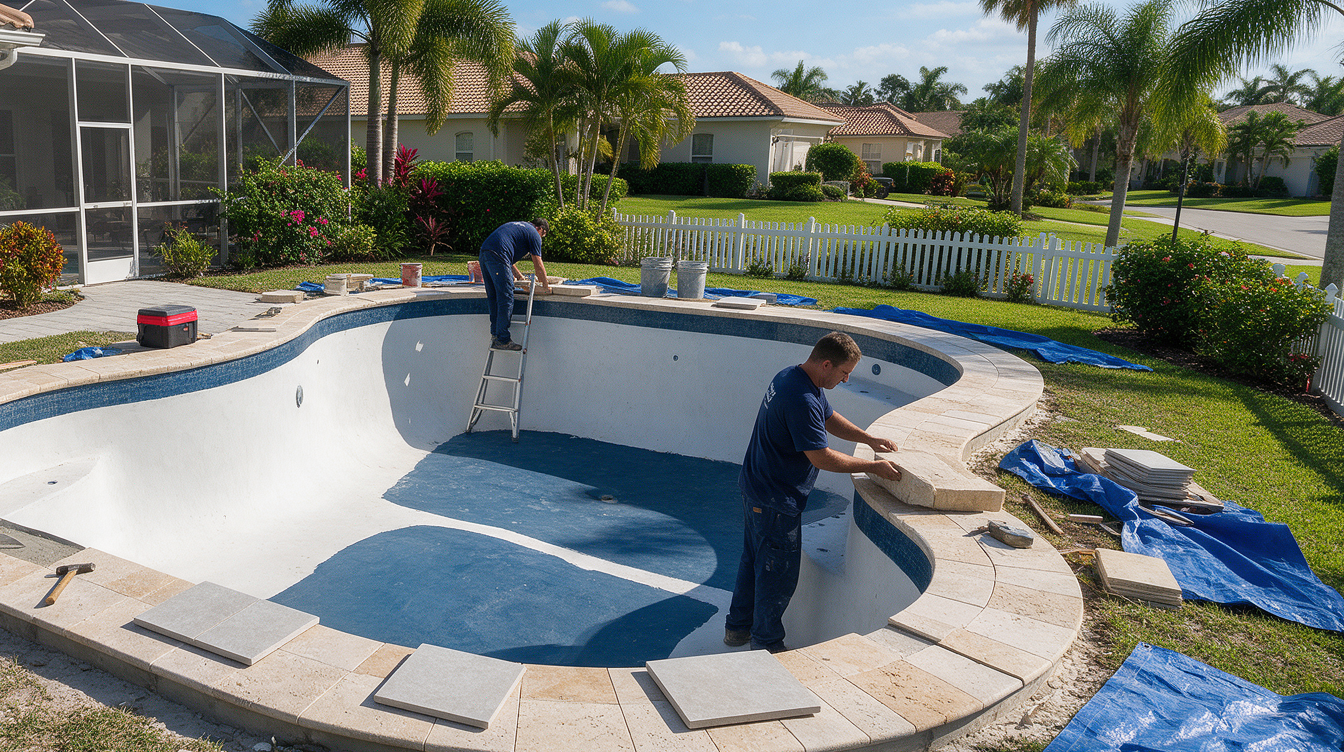
A good pool remodeling contractor should understand more than surface appearance. Pool renovation can involve resurfacing, tile replacement, coping, lighting, plumbing, steps, benches, waterline issues, drains, equipment upgrades, automation, and deck transitions. In Boca Raton, many pools are exposed to intense sun, frequent rain, irrigation overspray, and vegetation, all of which can affect finishes, staining, calcium buildup, and equipment wear over time.
Before moving forward with a renovation, ask how the contractor evaluates the pool’s current condition. A visual estimate may be enough for minor cosmetic updates, but larger projects often require a closer look at leaks, hollow spots, cracks, plumbing performance, equipment condition, and drainage around the pool area. If you are considering a resurfacing or redesign project, review options for pool renovation and construction and make sure the scope addresses both appearance and function.
Helpful renovation questions include:
- What existing issues should be corrected before resurfacing?
- Will the project require permits or inspections?
- What materials are appropriate for the pool’s age, use, and design?
- How will the contractor protect surrounding areas during demolition or installation?
- What maintenance will be needed after the renovation is complete?
Construction Expertise: Custom Pool Builder and Luxury Pool Contractor Needs
Hiring a custom pool builder is a bigger decision than choosing a weekly pool guy. New construction involves design, engineering, layout, hydraulics, structural planning, equipment selection, finish materials, drainage, access, inspections, and coordination with other trades. For higher-end properties, a luxury pool contractor may also need experience with features such as spas, sun shelves, automation, lighting, fountains, fire features, vanishing edges, outdoor kitchens, or integrated landscape design.
However, luxury does not only mean expensive materials. It also means careful planning. A beautiful pool can become frustrating if the equipment is undersized, the deck drains poorly, the finish is difficult to maintain, or the design does not match how the family actually uses the space. A qualified pool professional should ask practical questions: How often will the pool be used? Are children, pets, tenants, or guests involved? Is the goal relaxation, exercise, entertaining, short-term rental appeal, or commercial use? The answers should shape the design and equipment choices.
Look for the right experience for the service you need, proper licensing for construction or renovation work, insurance, clear communication, written scopes, and knowledge of local pool conditions. A weekly pool technician, pool remodeling contractor, and custom pool builder may each specialize in different types of work.
Schedule a pool inspection before buying a home with a pool, planning a renovation, reopening a neglected pool, taking over a commercial property, or replacing major equipment. Inspections can help identify leaks, equipment concerns, surface damage, safety issues, and maintenance needs.
Ask whether the contractor has completed similar renovations, what is included in the scope, whether permits are needed, how they check for leaks or surface issues, what materials they recommend, and how they handle unexpected findings. A good contractor should explain both the visible work and the underlying pool condition.
Pool Equipment Installation and Repair: Why Experience Matters
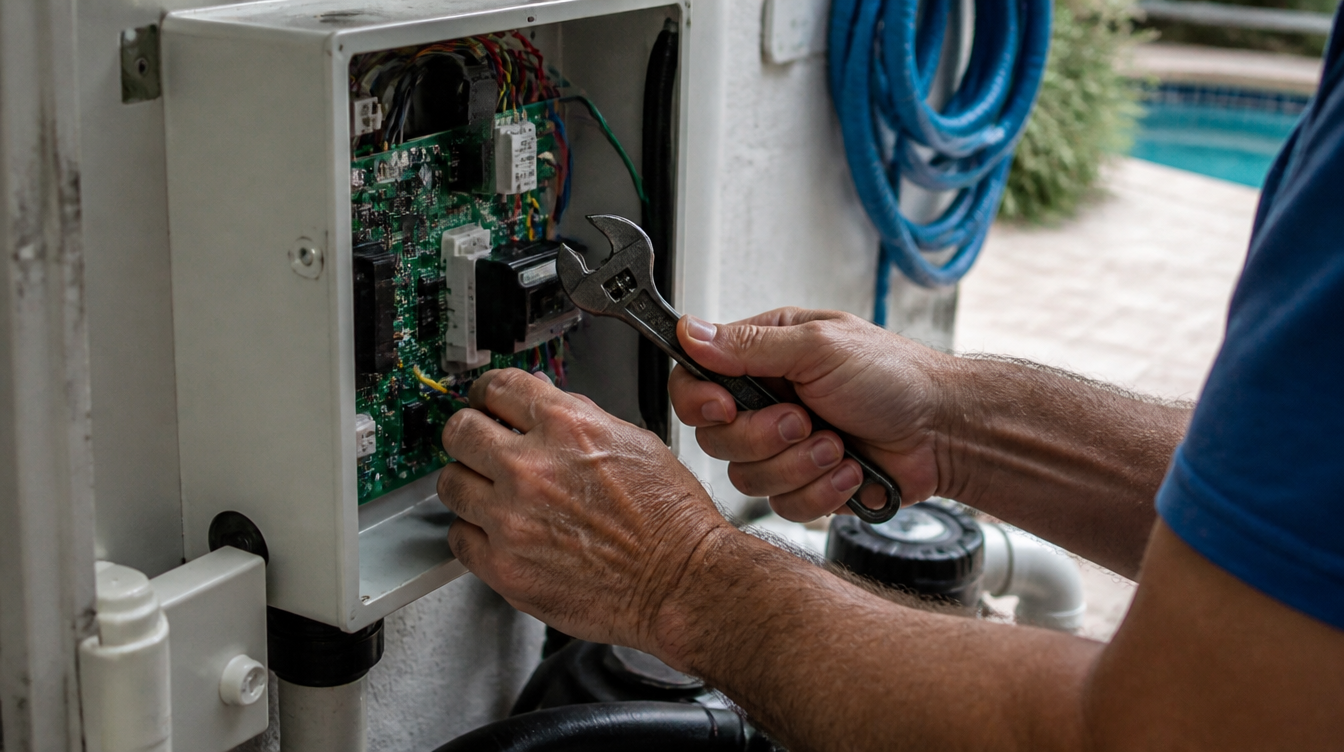
Pool equipment is the operating system behind the water. Pumps, filters, heaters, salt systems, automation, valves, timers, lights, and cleaners all need to work together. When one part fails, the symptoms may show up as cloudy water, poor circulation, algae, high energy use, noisy operation, tripped breakers, heater issues, or inconsistent cleaning. A pool technician may be able to identify the obvious issue, but a more experienced pool specialist should also look for the reason the problem happened.
For example, replacing a pump without checking filter condition, plumbing restrictions, valve position, or automation settings can lead to continued performance issues. Similarly, installing a salt system without discussing pool size, usage, water chemistry, and maintenance expectations may disappoint the owner later. If equipment is part of the project, explore professional pool equipment installation and repair and ask for a clear explanation of why a specific product or repair is recommended.
Service Agreements for Residential Pool Service and Commercial Pool Service
Service agreements help set expectations before the first visit. For residential pool service, the agreement should explain visit frequency, included tasks, chemical handling, basic equipment checks, communication, billing, and what counts as an additional repair. This prevents confusion later when a homeowner assumes every issue is included, but the provider treats equipment repairs, filter cleaning, algae recovery, or storm cleanup as separate work.
Commercial pool service agreements should usually be more detailed. A commercial property may need documentation, service logs, emergency communication procedures, equipment monitoring, and clear expectations for chemical balancing and safety-related observations. The Florida Department of Health explains that public pools are subject to sanitation and safety standards under state rules, including operating permits and inspections for public swimming pools. Commercial pool operators should be aware of applicable requirements and work with qualified professionals familiar with those expectations. The Florida Department of Health provides more information on public swimming pools.
Pool Maintenance, Water Quality, and Pool Education
Good pool maintenance is part science, part consistency, and part observation. Clear water does not always mean balanced water, and balanced water one week does not guarantee the pool will stay that way after heavy rain, high use, landscaping work, or equipment trouble. The CDC notes that chlorine and pH are key defenses against germs in residential pools and hot tubs, and homeowners are responsible for regularly checking water conditions. Readers can learn more from the CDC’s guide to home pool and hot tub water treatment and testing.
This is where pool education becomes valuable. A good pool professional should be willing to explain what they are seeing, not just perform the service and leave. Homeowners do not need to become chemists, but they should understand basic warning signs: cloudy water, algae returning quickly, low flow, strange equipment noises, stains, air bubbles, water loss, or strong chemical odors. For owners who want to better understand routine care, pool education can help them make better decisions between service visits.
Pool Inspections and Pool Consulting Before Major Decisions
Pool inspections and pool consulting can be useful before buying a home, renovating an older pool, taking over a commercial property, or deciding whether to repair or replace equipment. Many buyers focus on the house during a real estate transaction and only glance at the pool. However, a pool can have hidden issues such as leaks, failing equipment, surface wear, electrical concerns, plumbing problems, outdated automation, or safety-related deficiencies.
A practical inspection should help the owner understand the pool’s condition, not create fear. For example, a small maintenance issue is different from a structural concern. A tired pump is different from a system-wide circulation problem. A qualified pool consultant can help prioritize what needs immediate attention, what can wait, and what should be budgeted for later. If water loss is a concern, professional pool leak detection may be needed before spending money on cosmetic upgrades.
What Can Increase Cost, Complexity, Timeline, or Results
Several factors can affect how much a pool project costs, how long it takes, and how successful the final result will be. A simple maintenance plan is usually more predictable than a renovation or construction project because there are fewer unknowns. However, even routine service can become more involved if the pool has poor circulation, heavy algae, broken equipment, leaks, or neglected water chemistry.
Common cost and timeline factors include:
- Service type, such as weekly cleaning, repair, renovation, or new construction
- Pool size, depth, shape, and attached spa features
- Equipment condition, age, brand, and accessibility
- Finish materials, tile, coping, lighting, decking, and custom features
- Property access for crews, tools, demolition, and material delivery
- Existing leaks, cracks, stains, hollow areas, or plumbing issues
- Local permits, inspections, HOA rules, or code requirements
- Urgency, emergency service, or storm-related cleanup
- Long-term maintenance needs after the work is complete
Because of these variables, be cautious with one-size-fits-all pricing. A professional estimate should be specific enough to explain what is included, what is excluded, and what could change if hidden conditions are discovered.
Questions to Ask a Pool Contractor Before You Hire
The right questions can help you separate a professional pool contractor from someone who only gives a low quote. Start with basics: Are you licensed for this type of work? Are you insured? Who will perform the service? What is included? What happens if additional issues are discovered? How do you communicate updates? These questions are not aggressive; they are part of hiring responsibly.
For larger projects, ask more detailed questions:
- Have you completed similar pool renovation or construction projects?
- Will permits be needed, and who handles them?
- How do you evaluate existing plumbing, equipment, leaks, and surface condition?
- What materials or equipment do you recommend, and why?
- What maintenance will be required after completion?
- How are changes, delays, or unexpected findings handled?
- Will I receive a written scope before work begins?
The answers should be clear, patient, and specific to your pool. If the contractor only gives broad statements without explaining the reasoning, keep asking until the scope makes sense.
Red Flags to Avoid When Searching for a Pool Company Near Me
Searching for a pool company near me can produce many options, but not every provider is the right fit. One red flag is a contractor who gives a major renovation or construction quote without seeing the pool, reviewing access, or asking about equipment and existing conditions. Another is a provider who pressures you to make a fast decision before you understand the scope.
Be cautious if you notice:
- No written estimate or vague project description
- No clear license or insurance information for applicable work
- Unusually low pricing without explanation
- Poor communication before the job starts
- No discussion of permits when permits may be required
- No inspection of equipment, leaks, or existing conditions
- Promises that sound too certain for a project with unknowns
- Requests for large payments without clear terms
A reliable pool professional should make the decision easier, not more confusing. They should explain trade-offs, document the scope, and help you understand what you are paying for.
When to Contact a Qualified Pool Professional Instead of Handling It Alone
Some pool tasks are reasonable for homeowners to understand, such as skimming leaves, checking water level, observing equipment behavior, or learning basic water care. However, there are times when contacting a qualified professional is the safer and smarter choice. Electrical issues, equipment installation, major leaks, structural cracks, persistent algae, cloudy water that does not respond to normal care, heater problems, automation failures, and renovation planning should not be handled casually.
Pool chemicals also require care. The CDC’s pool chemical safety guidance explains that chemicals help protect swimmers and equipment, but they must be handled properly. If you are unsure what to add, how much to use, or whether chemicals can be combined, stop and contact a pool professional. Guessing can create unsafe water, damage equipment, or make the original issue worse.
Choosing a Pool Professional with Long-Term Value
The best pool company Boca Raton property owners can hire is not always the cheapest or the flashiest. It is the company that understands your pool, communicates clearly, follows appropriate licensing and insurance practices, and recommends work that fits the condition of the pool. For some owners, that may mean weekly maintenance. For others, it may mean equipment repair, a renovation plan, leak detection, pool consulting, or new construction.
Ultimately, a strong pool contractor should help you protect the pool as a long-term investment. That means identifying small issues early, explaining options honestly, and matching the solution to the property instead of pushing the same service for every customer. If you are looking for a local pool professional who can help with maintenance, renovation, construction, equipment, education, or inspections, you can start by exploring The Pool Scientist’s pool services or contact the team to discuss the right next step for your pool.